7 Slow Living Tips for High-Stress Careers
Table of Contents
- Why Slow Living Matters When Your Career Demands Speed
- How to Practice Slow Living Without Abandoning Your Career
- Work-Life Balance Strategies for High-Stress Jobs
- Slow Living Rituals for Busy Schedules
- Identifying Low-Stress Career Paths and Transitions
- Digital Minimalism for High-Pressure Roles
- Creating Intentional Spaces for Mental Well-Being
- Slow Living Is Not Quitting, It's Choosing Differently
- Frequently Asked Questions
Last Updated: October 4, 2026
Why Slow Living Matters When Your Career Demands Speed
High-stress careers pull you in a thousand directions at once. The pressure to deliver faster, better, more becomes the baseline of your day. This is where slow living tips for high stress careers become not a luxury, but a survival strategy.
Slow living isn't about quitting your job or moving to a quiet village. It's about reclaiming intentionality in how you work and live. By being more deliberate about where you direct your energy, you reduce the cognitive load that burns you out.
Your career may demand speed, but your nervous system needs rest. When you operate at constant high intensity, stress accumulates and your body stays in fight-or-flight mode. Paradoxically, slowing down in small, intentional ways actually makes you more effective at the work that matters.
Research from the American Psychological Association on workplace stress documents that chronic workplace stress leads to measurable declines in cognitive function and emotional regulation. The solution isn't to work harder or faster.
This guide covers practical slow living tips for high stress careers that busy professionals can implement without abandoning their ambitions.
How to Practice Slow Living Without Abandoning Your Career
Practicing slow living in a high-stress career means being selective about what demands your attention, protecting time for deep focus, and building recovery into your rhythm. You're not working less. You're working differently.
Start by auditing your commitments. Not every meeting needs you, not every email deserves an immediate response, and not every project should be a priority. When you say no to the non-essential, you create space for work that moves your career forward.
Protect your energy by building blocks of uninterrupted time into your week. If you spend cognitive resources on fragmented, reactive work, you have nothing left for strategic thinking or creative problem-solving.
Build recovery into your schedule the same way you'd schedule a client meeting. Your nervous system needs downtime to reset. A 20-minute walk, an evening without email, or a weekend off aren't indulgences, they're maintenance.
Work-Life Balance Strategies for High-Stress Jobs
What matters is work-life balance strategies for high-stress jobs that acknowledge the reality of your schedule while protecting your well-being. Perfect balance is a myth. The goal isn't 50-50 every day, but sustainable rhythm over time.
Set Professional Boundaries That Stick
Boundaries are the foundation of slow living in a high-stress career. Without them, work expands infinitely into your personal time. Effective boundaries are about being clear:
Define your working hours. If you work 8 AM to 6 PM, email doesn't come home with you at 6:01. If you're in a role where emergencies happen, define what counts as an emergency. A typo in a presentation doesn't qualify. A client crisis does.
Batch your communication. Check email at set times, maybe 9 AM, noon, and 3 PM, rather than constantly. This reduces the cognitive switching cost of context-switching and gives you protected time for focused work.
Use "no" as a complete sentence. You don't need to justify declining a meeting, a project, or a social obligation. "I'm not available" is sufficient. The guilt you feel about saying no is usually the problem, not the no itself.
Protect your calendar. Block time for deep work, lunch, and recovery the same way you'd block time for a board meeting. When someone tries to schedule over it, you can say honestly: "That time is already committed."
The resistance you'll feel to setting boundaries is normal. Set them anyway, your health is more important than organizational culture that rewards constant availability.
Reclaim Your Time Through Single-Tasking
Multitasking is the enemy of both slow living and actual productivity. Single-tasking, giving your full attention to one task at a time, is one of the most powerful slow living tips for high stress careers because it transforms how you experience your work.
Here's how to implement single-tasking in a high-stress environment:
1. Identify your three most important tasks each day. These are the work that actually matters for your role and career.
2. Protect 90-minute time blocks where you work on one task with zero interruptions. Phone off. Email closed. Slack disabled.
3. Close everything else. If you're writing a report, you're not checking email. If you're in a meeting, you're not scrolling Slack.
4. Transition deliberately between tasks. Take two minutes to stretch, get water, and reset your attention.
Single-tasking feels slower at first, but work quality improves, completion time decreases, and mental exhaustion drops dramatically.
Slow Living Rituals for Busy Schedules
Rituals are the practical tools of slow living. They're small, repeated practices that anchor your day and give your nervous system permission to rest.
Morning Rituals That Ground Your Day
How you start your day determines the tone of your entire day. A grounding morning ritual takes 15-30 minutes and sets a different tone.
1. Wake without checking your phone for 15 minutes to protect your attention.
2. Move your body with a walk, stretching, or yoga.
3. Nourish yourself by eating breakfast slowly without multitasking.
4. Set an intention (not a to-do list) to direct your attention toward what matters.
A grounding morning ritual needs to be consistent. The repetition and intentionality calm your nervous system and prepare you for a high-stress day.
Evening Decompression Practices
Your evening determines your sleep quality and resilience. 1. Create a shutdown ritual by closing email and work apps, then writing down what you accomplished. 2. Transition between work and home with a physical change (change clothes, take a different route, or sit in your car). 3. Eliminate work from your evening. 4. Build a wind-down practice one hour before bed: dim lights, put your phone away, and read or journal.
Gift Set - Spa Lavender & Rosemary - 1 Piece - MADE TO ORDER →
Identifying Low-Stress Career Paths and Transitions
Sometimes slow living within your current career isn't enough. If your stress is project-based and temporary, you can manage the peaks with the strategies above. If your stress is structural and the role fundamentally requires constant high intensity with no downtime, consider a transition.
Consider roles with defined boundaries (government, academic, nonprofit), specialized expertise over generalist roles, smaller organizations, clear success metrics, or consulting work that gives you control over project load.
A career transition doesn't happen overnight. But if your current path is fundamentally incompatible with slow living, it's worth exploring alternatives. Your health is more valuable than any title.
Digital Minimalism for High-Pressure Roles
One of the biggest obstacles to slow living in a high-stress career is digital overload.
Digital minimalism, being intentional about which digital tools you use and how, is essential for slow living tips for high stress careers.
1. Turn off notifications. Almost all of them. Except phone calls from family and emergencies, notifications are someone else's agenda interrupting your focus. Disable them.
2. Batch your digital communication. Check email three times a day, not constantly. Check Slack once an hour, not continuously.
3. Create device-free time. One hour before bed, no screens. Weekends without work email. A day each week where you're not checking messages.
4. Use "do not disturb" features aggressively. Your phone has settings to silence notifications during certain hours. Use them. Your focus time is more important than being instantly available.
5. Unsubscribe ruthlessly. Every newsletter, notification, and alert you're getting is competing for your attention. If you don't actively want it, remove it.
Digital minimalism isn't about rejecting technology. It's about using technology on your terms, not letting it use you.
Creating Intentional Spaces for Mental Well-Being
Your physical environment shapes your mental state. If your workspace is chaotic, your mind will be chaotic. If it's calm and intentional, your mind has permission to settle.
Creating intentional spaces doesn't require a complete redesign. It requires small, deliberate choices about what's in your space and how it's organized.
Reduce visual clutter. A desk piled with papers creates cognitive load. Everything you see is a task or a distraction. Clear your desk to only what you're actively working on.
Add calming elements. A plant. A candle. Nova Basi's Decorative Copper Candles with classic fragrances can anchor an evening ritual, creating a moment of intentional calm after a demanding day.

Control your lighting. Harsh fluorescent light creates stress. If you can, adjust your lighting to be softer and warmer. Natural light is ideal.
Use scent intentionally. Lavender, rosemary, and other calming scents can signal to your nervous system that it's safe to relax. A simple Organic Certified Solid Soap with lavender and rosemary in your bathroom becomes a small ritual of care.

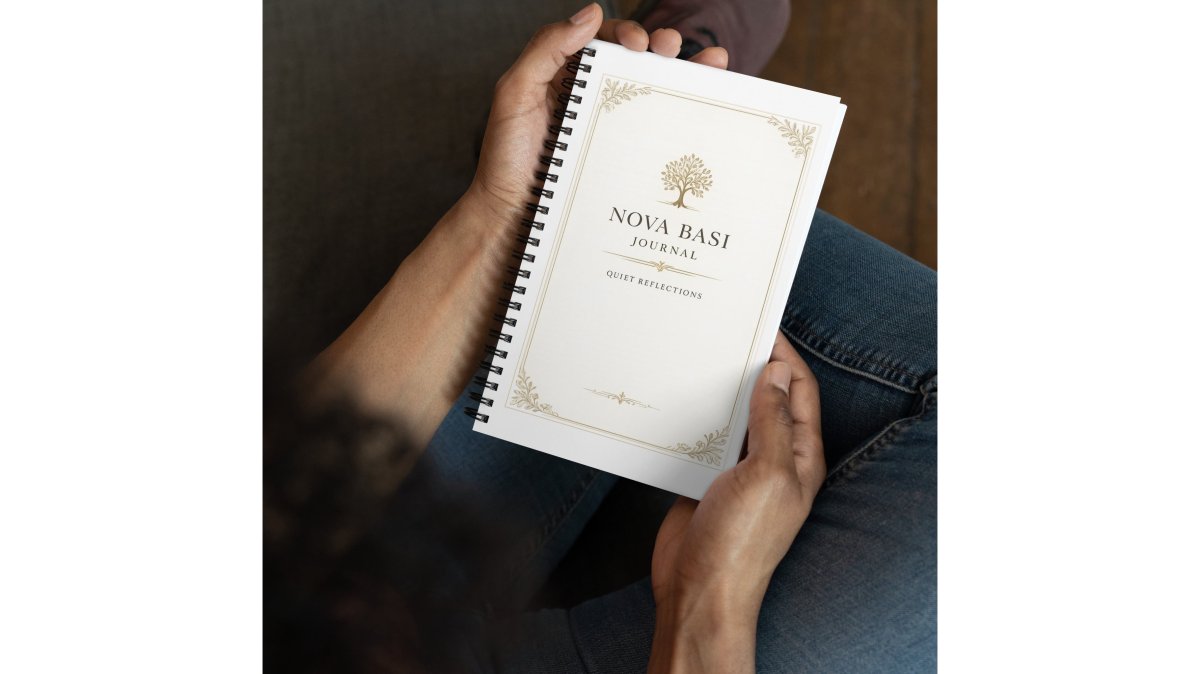
Keep a journal nearby. Writing helps process stress and clarify thinking. A Journal on your desk or nightstand becomes a tool for reflection and intention-setting.
Your physical space is the container for your mental state. When it's intentional and calm, slow living becomes easier. When it's chaotic, you're fighting your environment constantly.
Slow Living Is Not Quitting, It's Choosing Differently
The final thing to understand about slow living in a high-stress career: it's not about ambition or achievement. It's about how you pursue them.
You can be ambitious and slow. You can be high-performing and intentional. You can have a demanding career and still have a life. These aren't contradictions. They're the only sustainable way to build a career that lasts.
Slow living means choosing depth over breadth. Choosing focus over constant availability. Choosing recovery over burnout. These choices often feel countercultural in high-stress environments.
The slow living tips for high stress careers in this guide are all practical. They're all implementable within your current role. But they require one thing: the decision to prioritize your well-being as seriously as you prioritize your work.
Start with one. Set a boundary. Block time for single-tasking. Create a morning ritual. Add a calming element to your workspace. One small change creates momentum. One boundary protects the next. One ritual makes the next one easier.
Your high-stress career isn't going anywhere. But you can change how you relate to it. That's where slow living begins.
The difference between burning out and building a sustainable career often comes down to small, repeated choices about how you work and rest. Nova Basi's curated collections, from novellas set in peaceful landscapes to journals designed for reflection and organic self-care products, are created specifically for professionals seeking to build intentional rituals into demanding lives.

Frequently Asked Questions
Can slow living help prevent professional burnout?
Yes. Slow living practices reduce cognitive load and encourage stress management through intentional living. By setting boundaries, practicing mindfulness, and prioritizing deep work over constant multitasking, you build resilience against burnout. The key is consistency, even small daily rituals create sustainable pace that protects your mental well-being over time.
How can I practice slow living while working a 9-5?
Slow living doesn't require leaving your career. Start with one ritual: a phone-free morning, a lunch break away from your desk, or 10 minutes of journaling before bed. Use time blocking to protect focused work periods. Set clear work hours and stick to them. Choose one Nova Basi novella to read for 20 minutes weekly, stories like Earthstar Bright or Timeless in Roussillon offer emotional grounding that carries into your workday.
What are simple daily rituals for busy professionals?
Effective rituals take 10-20 minutes. Morning: brew tea in a slow-living mug, write three intentions in a journal. Midday: step outside or sit quietly. Evening: light a candle, read a few pages of a novella, or use an organic soap ritual to mark the end of work. These small practices signal to your nervous system that intentional time exists within your schedule, reducing workplace anxiety and restoring autonomy.
How do I set boundaries in a high-stress career?
Start by defining non-negotiables: email-free hours, no weekend work, or protected lunch breaks. Communicate these clearly to colleagues and managers. Use phrases like 'I'm focused on deep work until 3 p.m.' rather than vague availability. Track where your time actually goes for one week, most people find hours reclaimed simply by saying no to low-priority tasks. Boundaries protect your mental well-being and often improve productivity.
What is the difference between slow living for remote versus office-based roles?
Remote workers struggle with boundary collapse, work bleeds into home life. Create a dedicated workspace, maintain set hours, and use rituals to mark transitions (light a candle when 'clocking in,' close the laptop and change clothes when done). Office workers face constant interruption and social pressure. They benefit from blocking focus time, using noise-canceling headphones, and protecting lunch breaks as non-negotiable. Both require intentional living practices to prevent burnout.