Books About European Landscapes: A Curated Reading List
Table of Contents
- Why Books About European Landscapes Slow You Down
- European Landscape History Books: How the Land Was Shaped
- European Landscape Art Books: Learning to See the View
- Books About Rural Landscapes in Europe: Field, Hedge, and Village
- European Landscape Architecture Books: Gardens, Parks, and Designed Ground
- Quiet Novellas Set in European Landscapes
- How to Choose Your First Book About European Landscapes
- Frequently Asked Questions
Last Updated: October 20, 2026
Why Books About European Landscapes Slow You Down
Reading about a place you have never stood in is one of the few reliable ways to slow a racing mind. Books about European landscapes work on the body before they work on the intellect: the pace of a hedge-lined lane, the weight of afternoon light on stone, the sound of a village waking. This guide from Nova Basi gathers the categories worth your attention, from history to art to quiet fiction, and tells you which shelf to start on.
Here is the useful part up front: most readers buy the wrong book first. They reach for a glossy coffee-table volume, flip through forty photographs, and never open it again. The books that actually change how you see a landscape are slower and plainer than that.
Below, we break down five categories, what each one does well, and how to pick your entry point based on the mood you are chasing.
European Landscape History Books: How the Land Was Shaped
European landscape history books explain why the ground looks the way it does, tracing field patterns, forest clearance, and settlement back through centuries. They treat the land as a document written by farmers, laws, and weather.
A common mistake is assuming these books are dry. The good ones read like detective work. A hedgerow is not decoration; it is a boundary with a legal history. A terraced hillside records generations of soil management. Once you notice this, every drive through open country becomes legible.
For readers in the United States, the contrast is the draw. American landscapes often read as vast and recent. European ones read as layered and negotiated, with visible seams where one era stopped and another began. If you want the why behind the view, start here.
European Landscape Art Books: Learning to See the View
European landscape art books teach looking rather than analysis. They pair paintings, sketches, and prints with commentary on how artists framed fields, rivers, and skies, and what they chose to leave out.
What most guides miss is how practical these books are. A good art volume trains your eye on proportion and light. You start noticing how a painter placed a single tree to anchor a horizon. That skill transfers to real landscapes: you see composition in a field, not just scenery.
Our advice: choose a volume with generous full-page reproductions and short captions. Dense academic text can wait. The point is to look slowly, one plate at a time, ideally with a cup of something warm and no phone nearby.
Books About Rural Landscapes in Europe: Field, Hedge, and Village
Books about rural landscapes in Europe sit between history and memoir. They follow the working countryside: small fields, stone walls, hedges, footpaths, and the villages that grew around them.
These books suit readers who want texture over argument. Expect close attention to seasons, farming rhythms, and the small architecture of daily life. Many are written by people who walked the ground themselves, which gives the prose a physical honesty that armchair overviews lack.
If your work life is all screens and deadlines, this is the category that decompresses best. The subject matter is undemanding in the right way: no plot to track, just land and the people who tend it.
European Landscape Architecture Books: Gardens, Parks, and Designed Ground
European landscape architecture books cover ground that was planned rather than farmed: gardens, parks, estates, and public squares. They examine how designers shaped space, sightlines, and movement through a site.
This category rewards readers who like systems. You learn why a path curves, why a wall stops where it does, why a view was opened or blocked. In practice, this means you can walk into any formal garden and read the designer's intentions instead of just admiring the flowers.
The Sacred Sicilian Rose Line →
A word of caution: some volumes are heavily technical, with plans and planting schedules. Those are excellent reference books but poor bedtime reading. Look for titles that balance drawings with narrative prose if you want something to actually finish.
Quiet Novellas Set in European Landscapes
Fiction does something the other categories cannot: it puts you inside a place rather than in front of it. Quiet novellas set in European landscapes trade plot for atmosphere, letting a region's light and rhythm carry the story.
This is where we at Nova Basi do our own work. Our novellas are short, emotionally resonant, and rooted in specific places. Earthstar Bright unfolds in the luminous landscapes of Southern France, a story of awakening and remembering. The Sacred Sicilian Rose Line follows lineage and the sacred feminine under Sicilian sun. Timeless in Roussillon settles into the ochre-dusted village of Roussillon, where time and stillness are the whole subject.


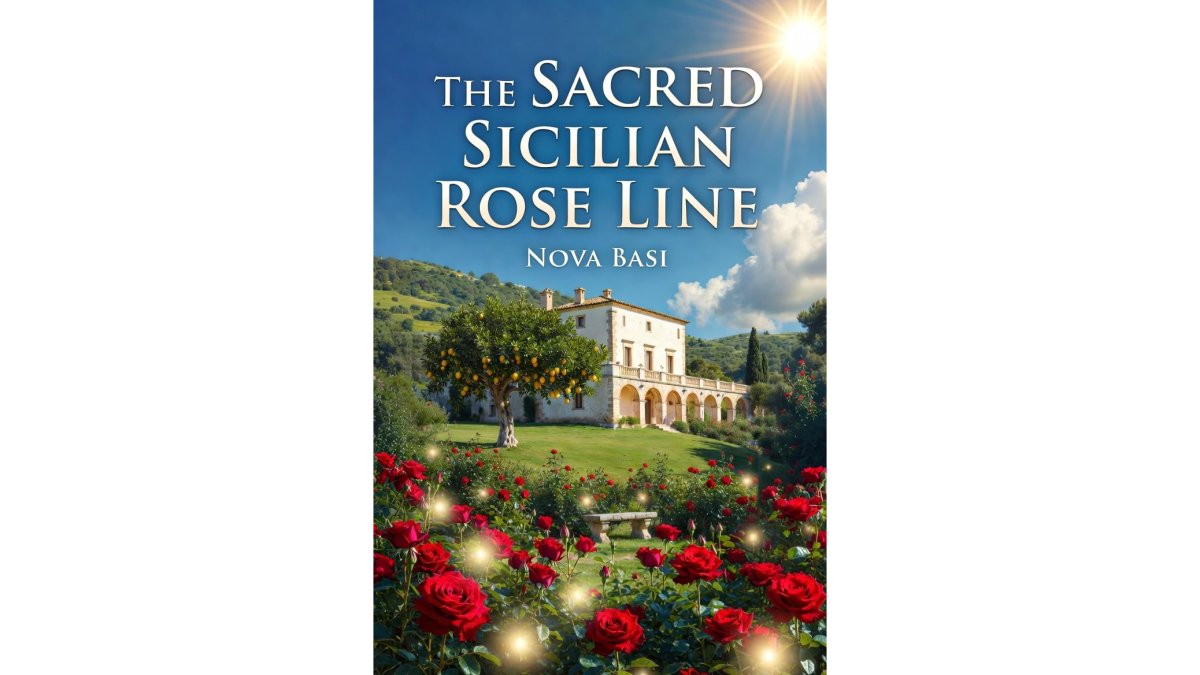
Each is available as a Kindle edition or an EPUB edition, priced at $2.99. If you want to test whether this kind of reading suits you before committing to a longer book, a novella is the lowest-risk way in. Earthsong of Fréjus-sur-Mer is a good place to begin: earth, song, and the quiet magic of a coastal town.

| Category | What It Gives You | Best For | Pace |
|---|---|---|---|
| Landscape history | The why behind the view | Analytical readers | Slow, rewarding |
| Landscape art | A trained eye for light and framing | Visual learners | Browsing pace |
| Rural landscapes | Texture, season, daily life | Stressed professionals | Gentle |
| Landscape architecture | How designed space works | Systems thinkers | Moderate |
| Quiet novellas | Immersion and atmosphere | Emotional readers | One sitting |
How to Choose Your First Book About European Landscapes
Choose by the outcome you want, not by the cover. If you want to understand why the land looks as it does, start with history. If you want to see more when you travel, start with art. If you want to feel calmer by page ten, start with a novella.
A simple decision rule we recommend:
- Want to understand the land? Pick a landscape history book.
- Want to look more carefully? Pick a landscape art book.
- Want to unwind after work? Pick a rural landscape book or a quiet novella.
- Want to read designed spaces? Pick a landscape architecture book.
- Unsure whether you will finish? Start with a novella, then size up.
The biggest pitfall is buying three books at once and finishing none. One book, read slowly, beats a stack left untouched on the nightstand.
For readers who want to carry the atmosphere of a story beyond the final page, Nova Basi also offers curated keepsakes, journals, and rituals designed to let that feeling linger in daily life. That pairing of story and object is the whole idea behind our collection, and it is a gentler entry point than a shelf of reference books.
Frequently Asked Questions
What are the best books about European landscapes for someone new to the subject?
Start with a single region rather than a continent-wide survey. A book on one landscape, whether it is the ochre villages of southern France or the Sicilian coast, teaches you how to read terrain, weather, and settlement before you branch out. Pair it with a short fiction piece set in the same place. The combination of fact and atmosphere makes the geography stick far better than a broad overview, and it keeps the reading experience calm instead of academic.
What is the difference between landscape art and landscape history books?
Landscape art books reproduce paintings, drawings, and prints and explain how artists framed a view, which trains your eye. Landscape history books explain how the land itself came to look that way: field systems, enclosure, deforestation, roads, and farming practice. One teaches you to look, the other teaches you to understand. Readers who want both usually keep one of each on the shelf and cross-reference them, since a painting of a hedgerow makes more sense once you know why the hedge exists.
Are there illustrated books about European scenery worth owning in print?
Yes, and print is usually the right format for them. Art books and landscape architecture titles rely on large plates and detailed plans that lose too much on a small screen. Check the trim size and the number of color plates before buying, since reprints sometimes shrink both. For readers who mostly want atmosphere rather than plates, a digital novella works just as well and costs far less, which leaves more budget for the illustrated hardbacks you actually want to keep.
Which books about rural landscapes in Europe explain how people shaped the land?
Look for titles that treat the countryside as a record of work rather than a natural backdrop. The strongest ones trace specific features, such as stone walls, terraces, irrigation channels, or coppiced woodland, and show who built them and why. Regional studies beat continental surveys here because the detail is finer. If you want a gentle entry point, read a rural history of one small area alongside a novella set there, so the descriptions of fields and weather have something concrete to attach to.
How do European landscape architecture books differ from gardening books?
Landscape architecture books cover designed ground at a larger scale: parks, estates, public squares, and the relationship between buildings and their setting. Gardening books focus on plants and their care. If you are interested in how a place feels as you move through it, choose the architecture title. Look for one with site plans and sections rather than photographs alone, since the drawings show the thinking behind the layout in a way that a finished view cannot.
Most people trying to slow down make the same error: they treat reading as another task to complete. The better approach is to pick one book, one quiet corner, and twenty minutes that belong to no one else. If you want a place to start, explore the Nova Basi collection of novellas, journals, and keepsakes, each built around specific landscapes and the calm they carry. Browse the collection and find the story that matches the season you are in.